
Chateau Trnová
Zámek s rodinnou duší
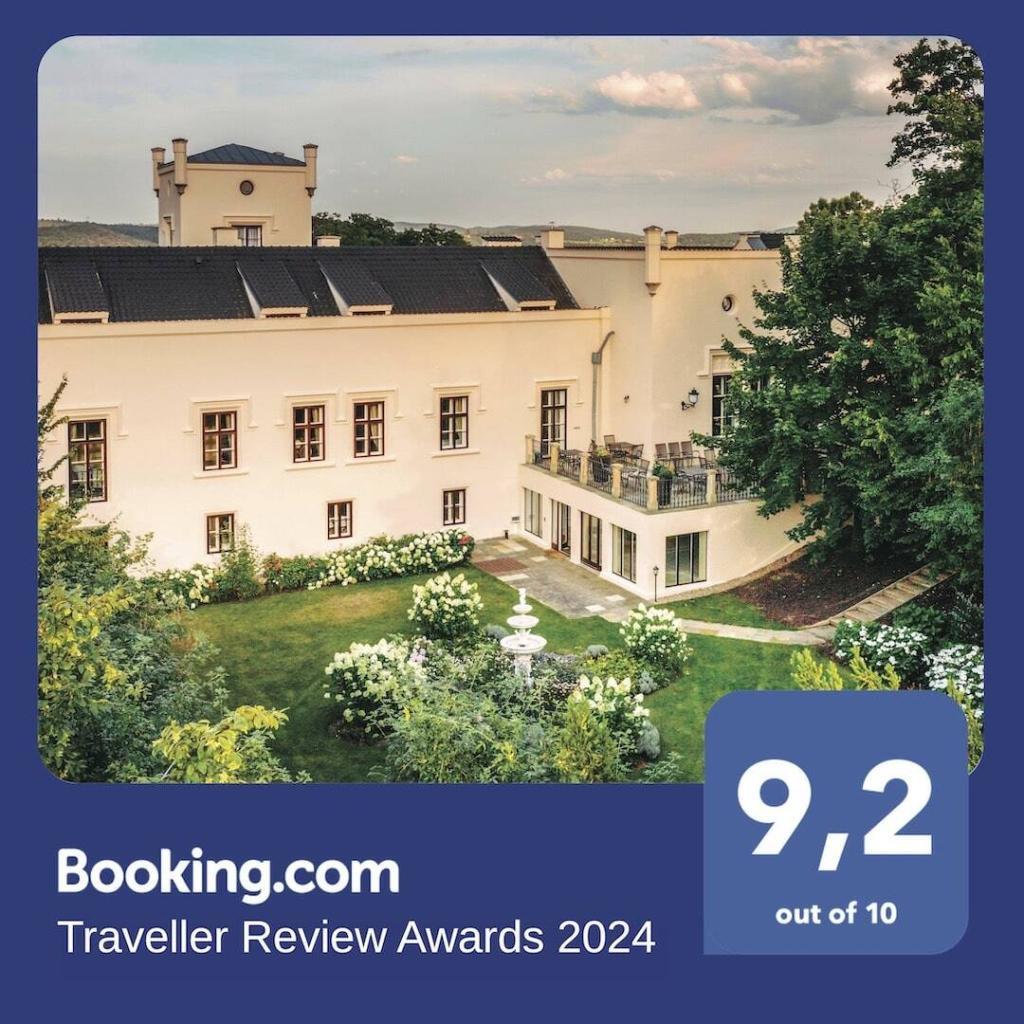
V srdci České republiky, jen 20 km od Prahy-Smíchov, obklopen lesy a ozdoben malebným rybníkem ve vlastním zámeckém parku, se nachází Chateau Trnová – místo, kde historie a moderna tančí v nadčasové harmonii. Založený v roce 1868, tento okouzlující a zrenovovaný zámek byl svědkem nesčetných příběhů a historických událostí.
Obklopující příroda kdysi pohnula Františkem Škroupem, skladatelem české národní hymny, k vytvoření melodie, která stále zní generacemi. Lesem prý scházel František na hřeben skály nad Vltavou do míst dodnes zvaných Kazatelna. Pohled do údolí Vltavy, na okolní hvozdy, louky a pole jej inspiroval při skládání hudby k Fidlovačce. Závěrečná píseň slepého houslisty se stala později českou národní hymnou.
V letech 1908–1911 navštěvovala zámek legendární operní pěvkyně Ema Destinnová. Po revoluci, v roce 1989, byl statek prohlášen za národní kulturní památku. V roce 2006 prošel kompletní rekonstrukcí, kterou provedli Ivan a Lucie Pilipovi.
V roce 2020 se Markéta a Finn Hansenovi stali novými majiteli tohoto historického klenotu a rozhodli se tak napsat nové kapitoly v jeho okouzlujícím příběhu.
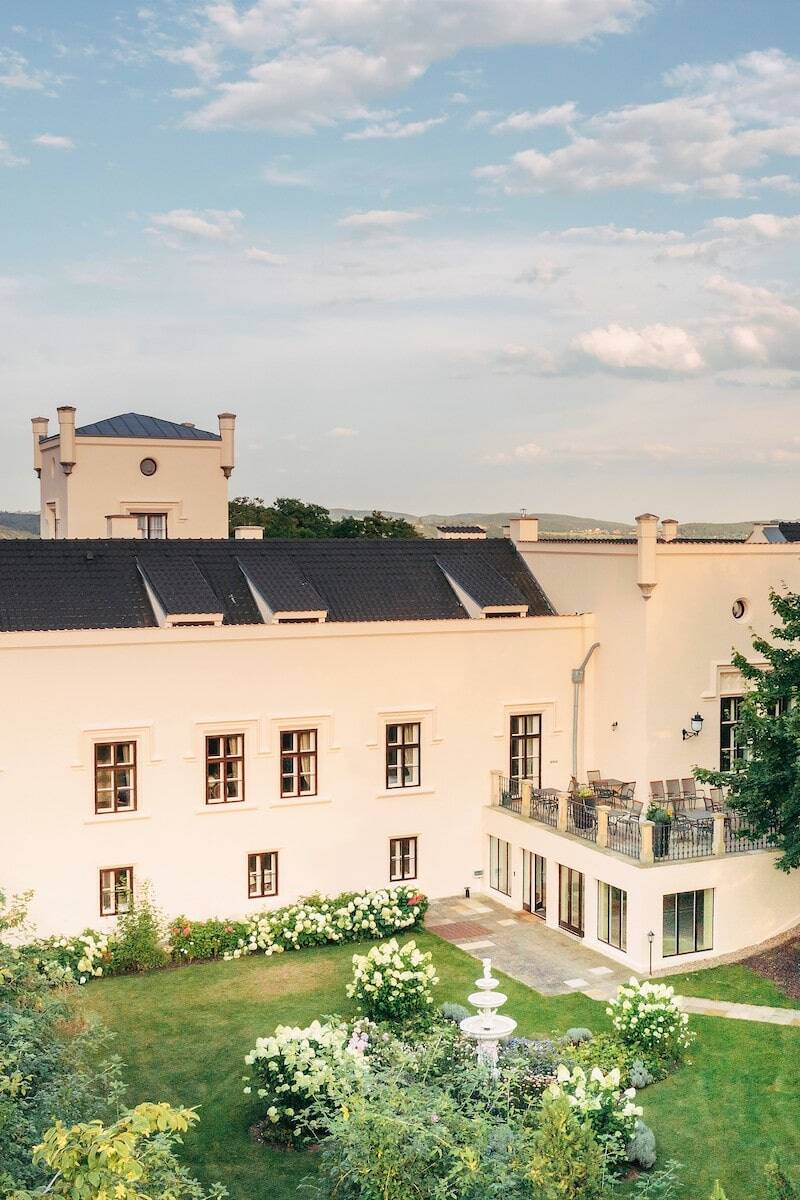
Zažijte pohádkové kouzlo v Chateau Trnová
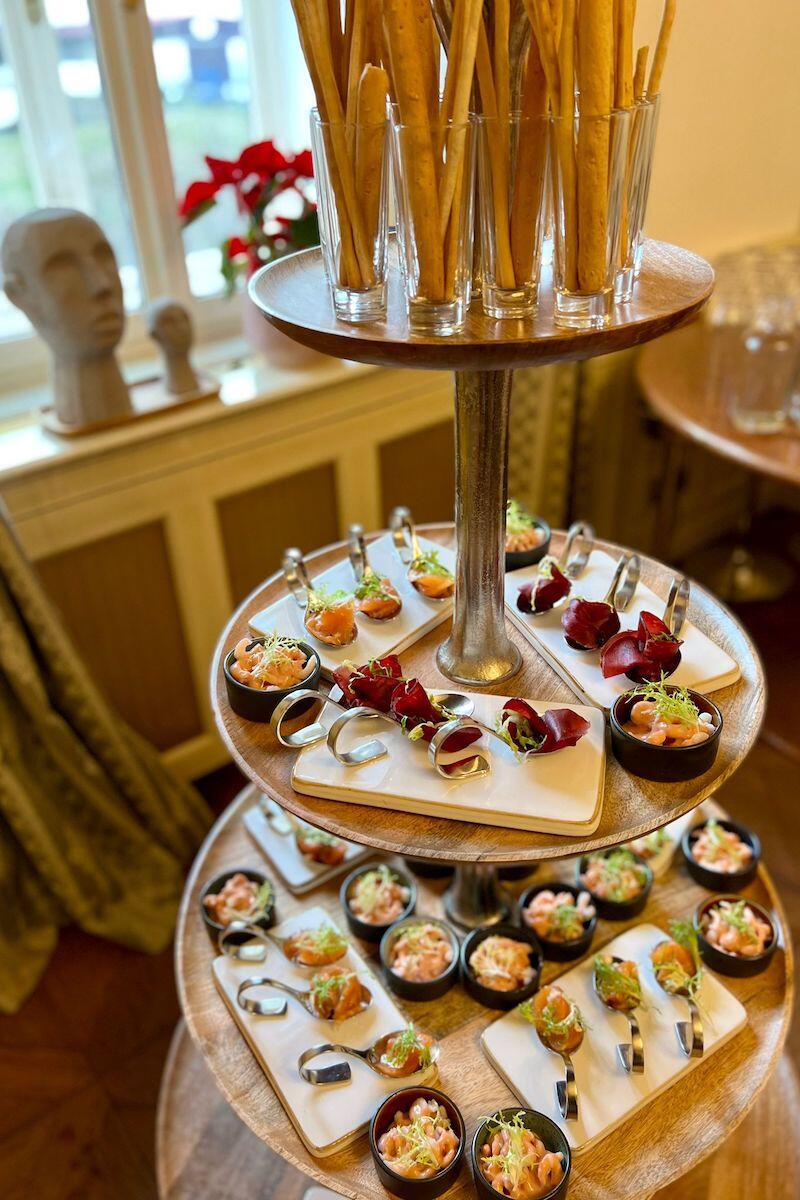
Překvapte maminku nezapomenutelným zážitkem plným hudby a gurmánských pochoutek
Family Jazz Brunch
Přineste radost maminkám výjimečným brunchem plným hudby a chutí
12. května od 12:00 do 15:00
Slavíme maminky! Neděle 12. května se promění v jazzový ráj, kde hlavní roli hrají všechny maminky. Připravili jsme pro ně Family Jazz Brunch, který se nese v duchu lásky, uznání a vděčnosti. Přijeďte oslavit Den matek do našeho zámku, kde na všechny čekají vynikající gurmánské pochoutky, živá jazzová hudba a atmosféra plná radosti.
Tento jedinečný zážitek je připraven pro hosty všech věkových kategorií. Myslíme i na naše nejmenší hosty. Pro děti od 3 let bude připraveno kreativní tvoření.
V Chateau Trnová se můžete těšit na odpoledne plné hudebních a kulinářských zážitků. Prožijte den plný relaxace a pohody v prostředí našeho zámku, kde pro vás budou připraveny nejen švédské stoly plné gurmánských pochoutek a sushi, ale i nezapomenutelná atmosféra.
Letní mini dovolená
Od 4 252,- Kč | osoba | 2 noci
Od 30. června do 30. září
Zámecký pobyt spoustu možností. Ať již cestujete s dětmi anebo jako pár, čas na zámku vám uteče jako voda. Kouzelných okamžiků se nabízí více, než by člověk čekal.
Každý den můžete bloumat bosky v trávě, cvičit venku, plavat v bazénu, relaxovat ve vířivce na střeše zámku anebo jednoduše chvíli poležet na jednom z našich lehátek. K tomu si můžete dát jednu z našich limonád nebo letní koktejl. Zámecký park nabízí také příležitost k zábavě a hrám.
Okolí zámku také láká k výletům, procházkám a načerpání pozitivní energie z přírody. Těšíme se na vás v Chateau Trnová.
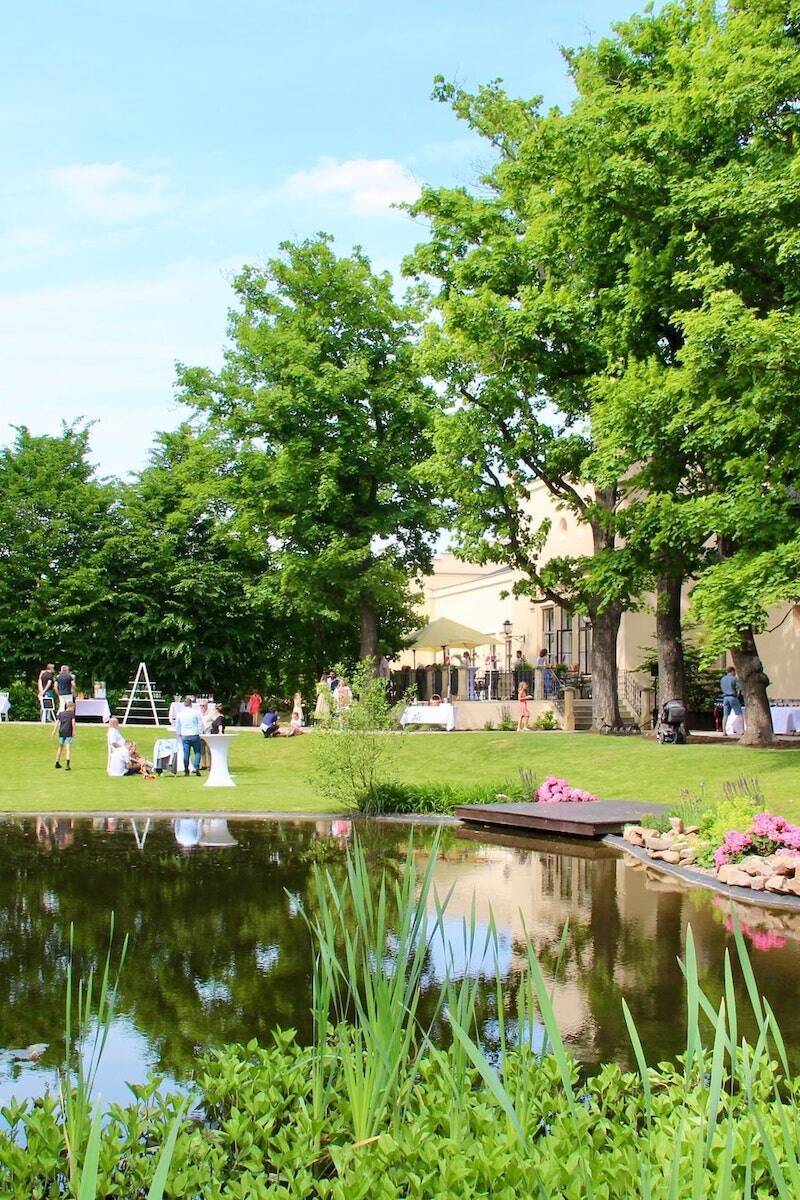
Pohádková letní mini dovolená na zámku
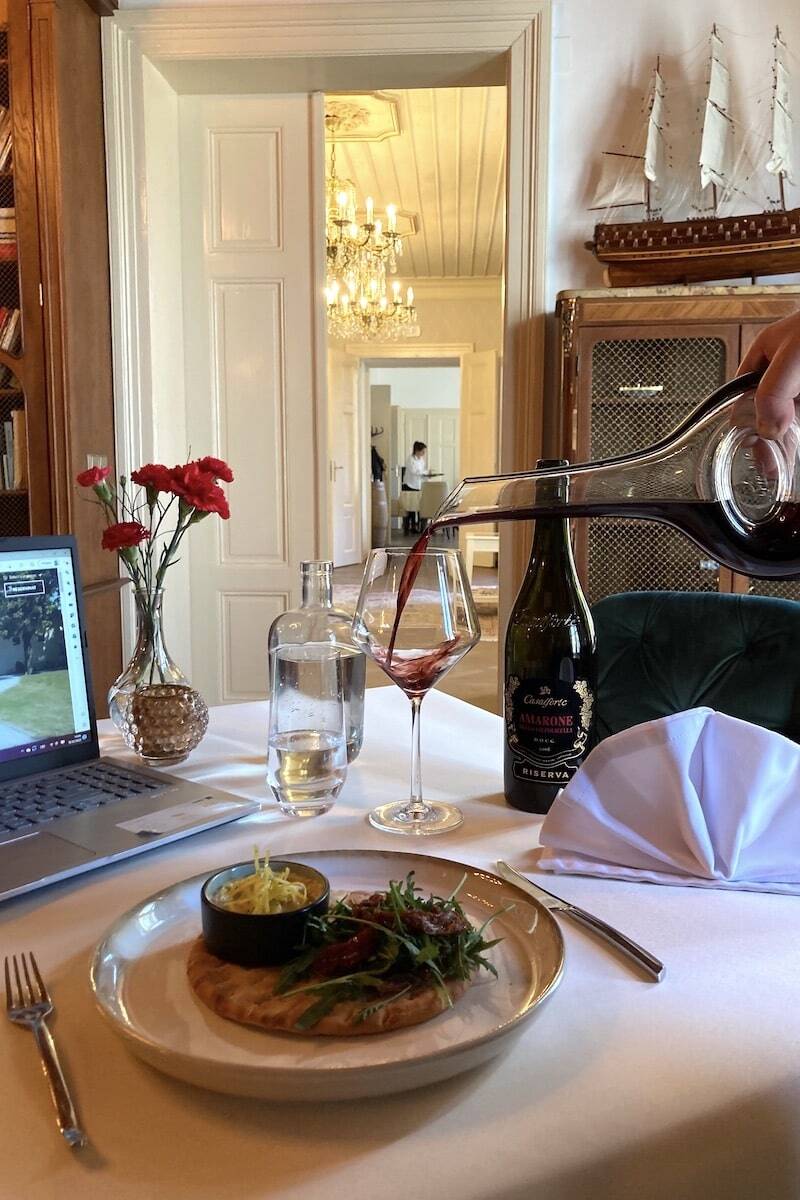
Na zámku jako doma
Firemní akce
Na zámku jako doma
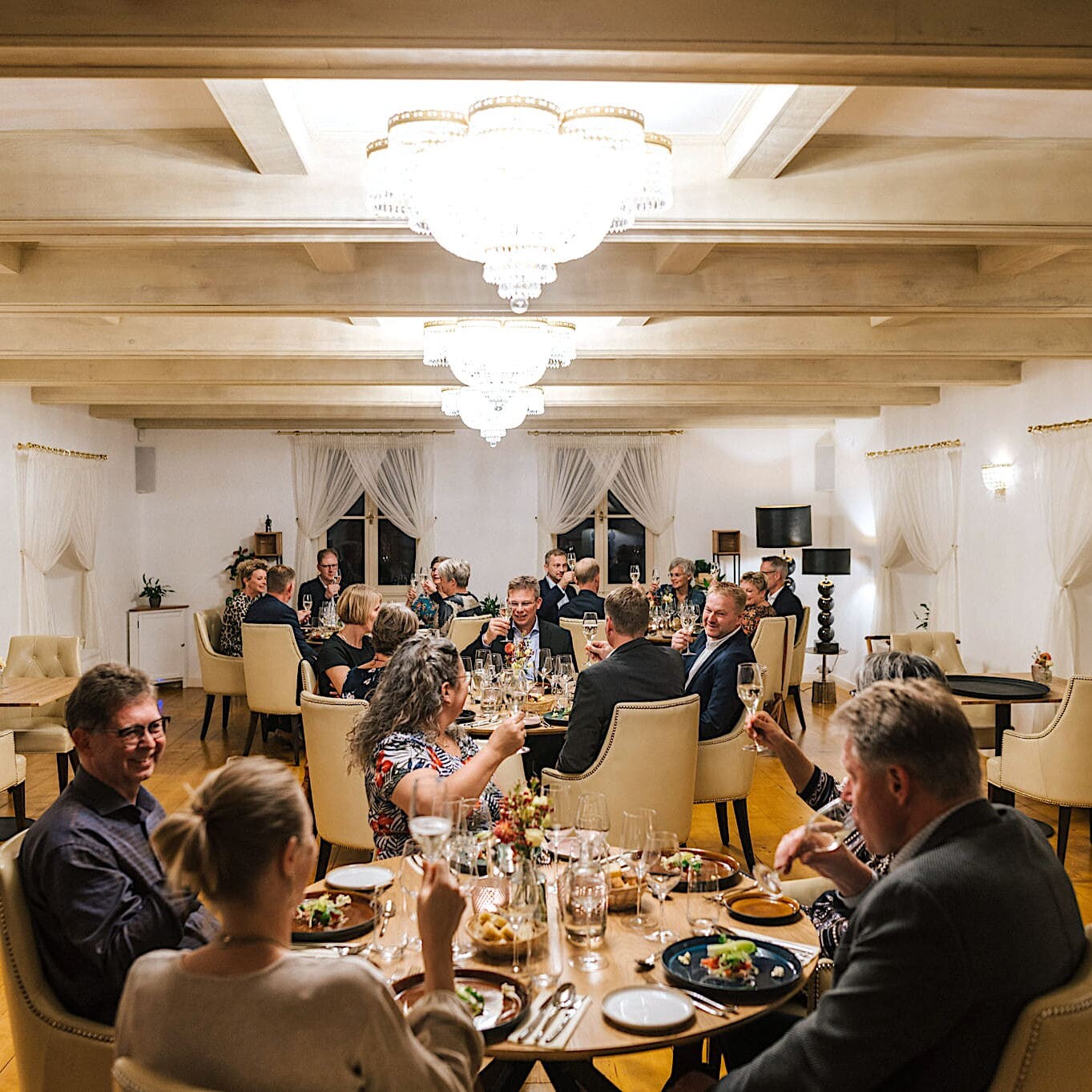
Zámeček Chateau Trnová, obklopený inspirujícími zahradami, je ideálním místem pro vaše firemní akce. Ať už plánujete týmové aktivity, manažerské setkání nebo oslavu úspěchů vaší společnosti, nabízíme vám nejen designové prostory, ale také nezapomenutelné zážitky.
Přijeďte a prožijte okamžiky plné inspirace, tvořivosti a spolupráce v prostředí, které ožívá historií, elegancí a kouzlem. Jen 20 km od Prahy-Smíchov objevíte malebnou oázu pozitivní energie, kde čas plyne jinak.
Prozkoumejte naše aktualizované balíčky pro firmy. Rádi vám také sestavíme individuální balíček dle vašich potřeb. Kontaktujte nás na sales@chateautrnova.cz. Postaráme se o vás od A do Z.
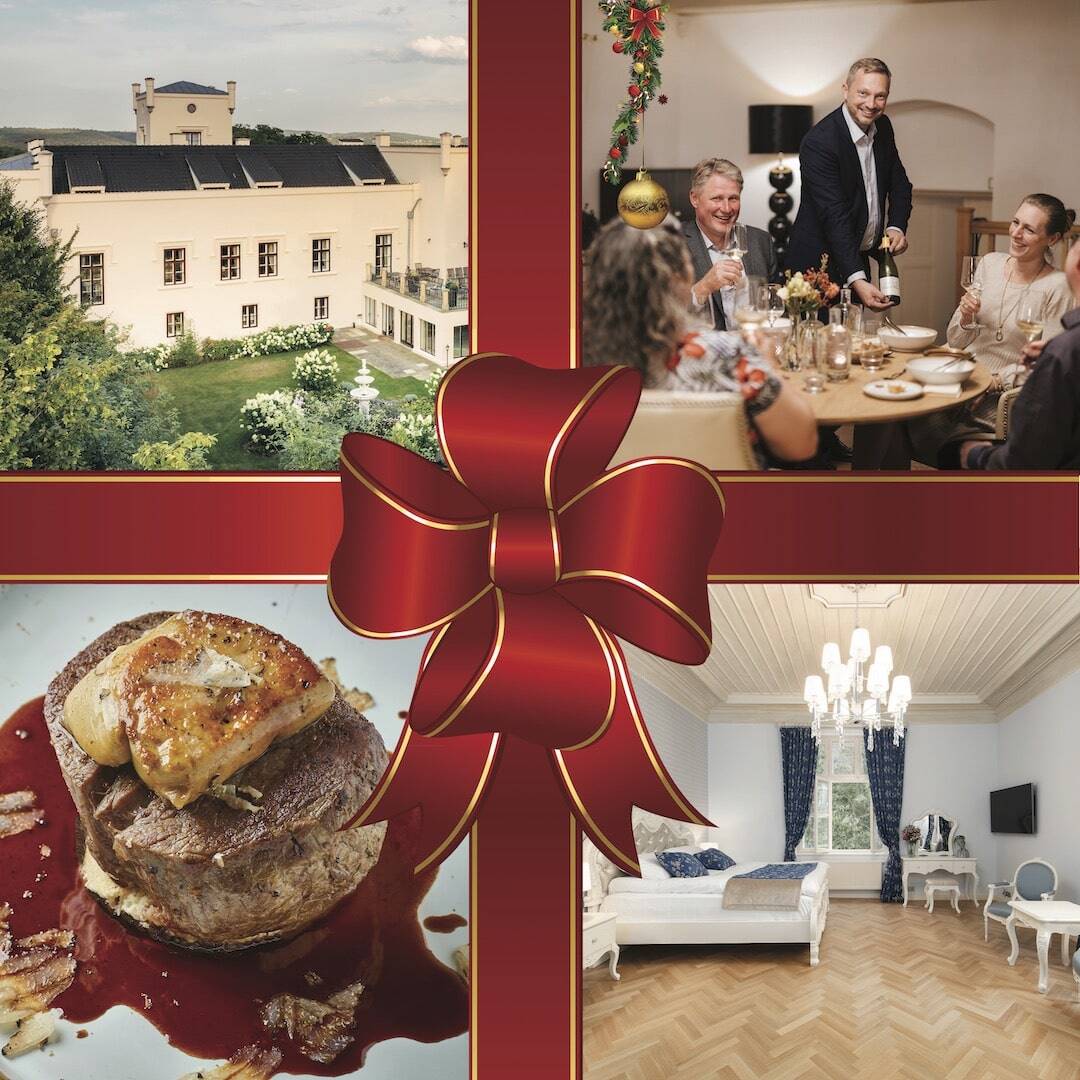
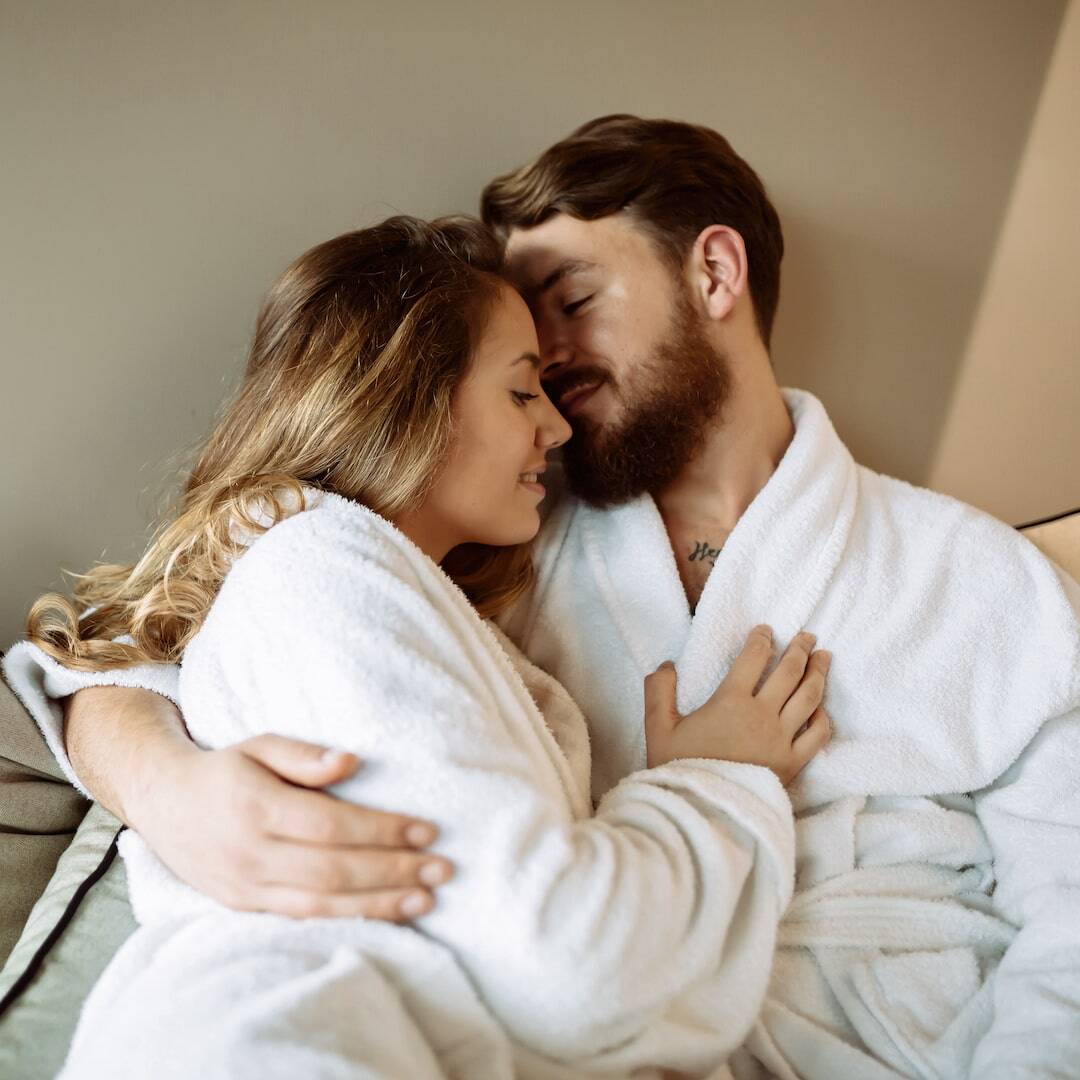
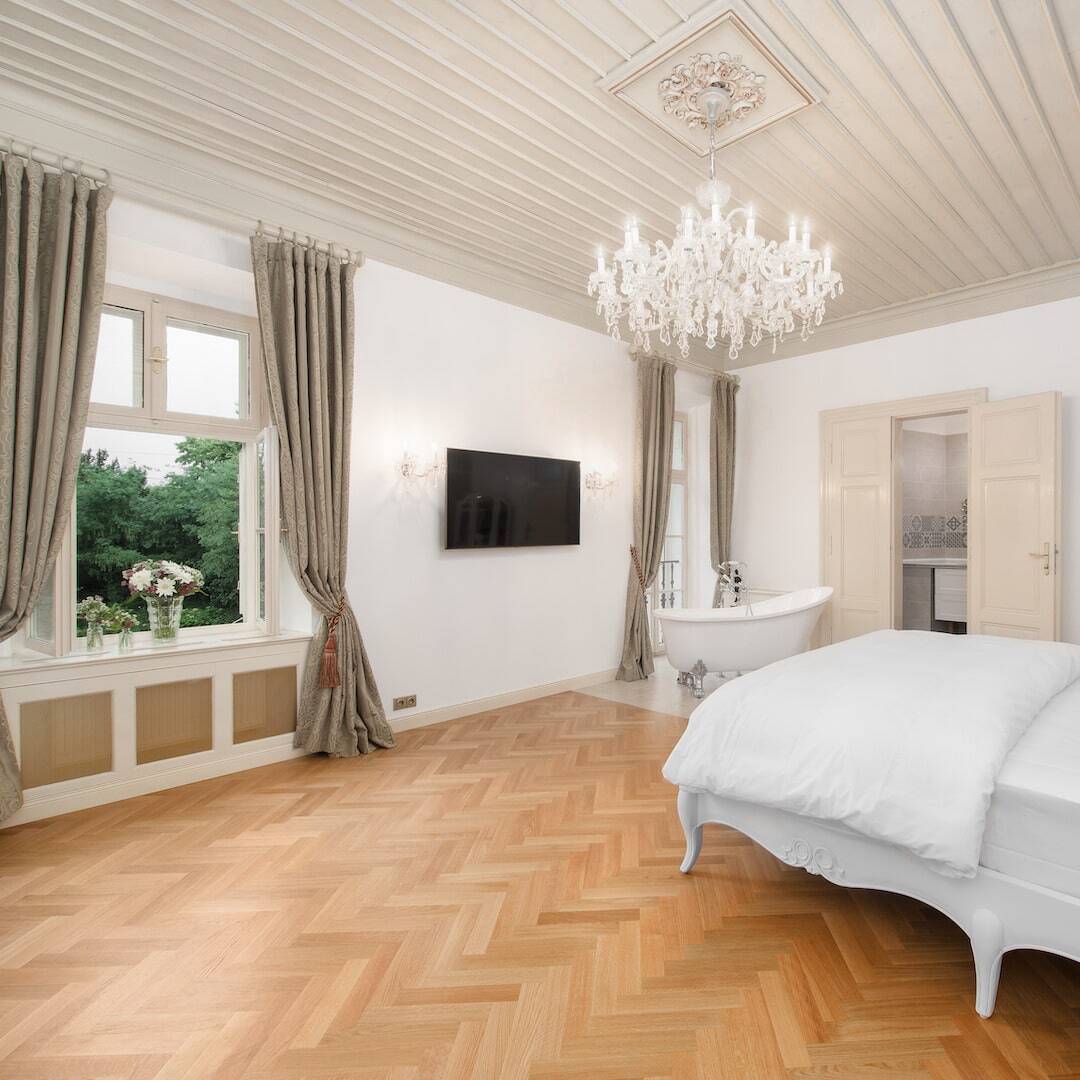
Přijeďte si k nám odpočinout
Přidejte se k našim spokojeným hostům
Hotelová recepce otevřena každý den od 8:00 do 22:00
Restaurace otevřena každý den od 12:00 do 22:00
Postaráme se o vaše pohodlí
Ideální místo pro klidný odpočinek od každodenního života